Mobile Game Development: Creating Games for Core Gamers
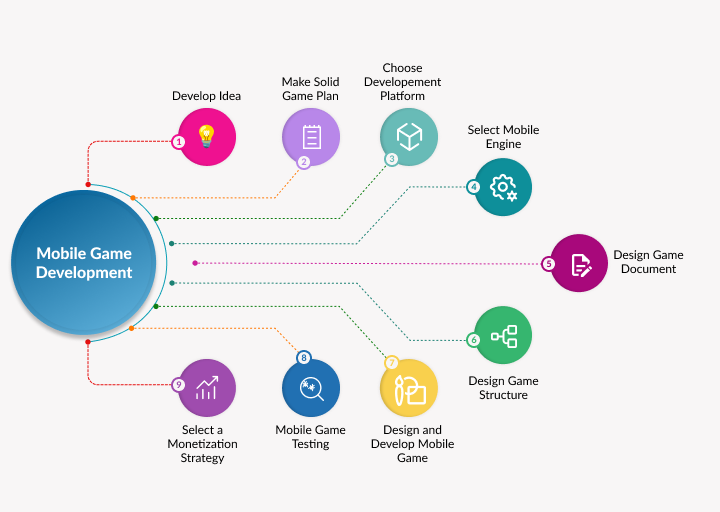
Imagine crafting a world, a challenge, an entire experience that fits right in the palm of someone's hand. Mobile gaming has exploded, but creating games that truly resonate with core gamers is a whole different ball game. Are you ready to level up your mobile game development skills?
Making mobile games for core gamers isn't always a walk in the park. The expectations are high. You're dealing with a demanding audience accustomed to deep gameplay, compelling narratives, and satisfying progression systems. Simply porting a desktop or console game won't cut it. Touch controls need to feel intuitive, monetization strategies must be carefully considered to avoid pay-to-win accusations, and performance needs to be buttery smooth across a wide range of devices.
The aim is to equip you with the knowledge and understanding needed to navigate the complexities of developing mobile games that appeal to hardcore players. We'll explore key design considerations, monetization strategies, technical challenges, and marketing approaches, all tailored to the specific needs and desires of core gamers on mobile platforms.
This article dives into the specifics of targeting core gamers in the mobile realm. We'll unravel the elements of game design, technical constraints, marketing, and monetization strategies that define success in this competitive market. Get ready to explore the history and hidden secrets of this area, plus get access to some recommendations to improve your understanding.
Understanding the Core Mobile Gamer
The goal here is to understand who these core mobile gamers are and what they are looking for. I remember back in the day when I was heavy into MMORPGs on PC. I was looking for that kind of depth on my phone. Turns out, a lot of people are! These aren’t your casual Candy Crush players. They are the types who invest time and effort into mastering complex systems, building characters, and competing with others. They're drawn to games that offer a sense of accomplishment, strategic depth, and long-term progression. Think of games like "Genshin Impact", "Call of Duty: Mobile", or even "Old School Runescape". What sets these games apart is their commitment to providing experiences that rival those found on PC and console. They have deep systems, competitive elements, and are not overly reliant on simple swipe and match mechanics. A strong understanding of this gamer is critical for shaping your mobile game vision and ensuring you are targeting the right audience.
What Defines a Core Mobile Game?
Defining a core mobile game goes beyond just graphics and gameplay. It's about crafting an experience that respects the player's time and investment. These games typically feature deeper mechanics, such as character customization, resource management, intricate combat systems, and engaging storylines. Think about games like "PUBG Mobile" or "Mobile Legends: Bang Bang". These titles have become massive successes by adapting traditional PC and console genres for mobile platforms. They emphasize skill-based gameplay, strategic teamwork, and consistent content updates to keep players engaged. Furthermore, core mobile games avoid aggressive monetization tactics that can turn off dedicated players. Instead, they focus on offering cosmetic items, battle passes, or optional progression boosts that don’t disrupt the game's core balance. The sweet spot lies in creating a mobile game that offers the depth and complexity of a traditional core game while still being accessible and enjoyable on a smaller screen.
The History and Evolution of Core Mobile Gaming
The history of core mobile gaming is a story of technological advancements and evolving player expectations. Early mobile games were simple and limited by the capabilities of the devices they ran on. But as smartphones became more powerful and internet speeds increased, developers began to experiment with more ambitious projects. Games like "Infinity Blade" showcased the potential for console-quality graphics on mobile devices, while titles like "Clash of Clans" proved that complex strategy games could thrive on touchscreens. The rise of free-to-play gaming also played a significant role, allowing developers to reach a wider audience and monetize their games through in-app purchases. Today, the mobile gaming landscape is dominated by sophisticated titles that rival their PC and console counterparts. Games like "Diablo Immortal" and "Apex Legends Mobile" are pushing the boundaries of what's possible on mobile, proving that core gamers can find immersive and engaging experiences on their phones and tablets.
Hidden Secrets to Engage Core Mobile Gamers
One of the hidden secrets of engaging core mobile gamers lies in understanding their intrinsic motivations. These players are driven by a desire for mastery, competition, and social connection. To tap into these motivations, your game needs to offer a clear sense of progression, challenging gameplay, and opportunities for interaction with other players. Implementing a robust ranking system, leaderboards, and competitive modes can fuel the competitive spirit of core gamers. Regular content updates, events, and community features can keep players engaged and invested in the game long-term. Another key secret is to prioritize fair monetization practices. Avoid pay-to-win mechanics that give paying players an unfair advantage. Instead, focus on offering cosmetic items, optional boosts, and subscription services that enhance the player experience without disrupting the game's balance. By focusing on player motivations and fair monetization, you can create a mobile game that resonates with core gamers and fosters a loyal player base.
Recommendations for Aspiring Mobile Game Developers
Best practices
If you're an aspiring mobile game developer looking to create games for core gamers, here are some recommendations. Start by thoroughly researching your target audience. Understand their preferences, motivations, and pain points. Play a wide variety of core mobile games to get a sense of what works and what doesn't. Experiment with different genres, mechanics, and monetization strategies. Don't be afraid to iterate on your ideas based on player feedback. Build a strong team with diverse skills. You'll need talented artists, programmers, designers, and marketers to bring your vision to life. Invest in quality assurance and testing. Bugs and glitches can quickly turn off core gamers. Regularly update your game with new content, features, and improvements. This will keep players engaged and coming back for more. Finally, be patient and persistent. Mobile game development is a challenging but rewarding journey. Don't give up on your dream of creating the next big hit.
Essential Tips for Core Mobile Game Development
One crucial tip for developing mobile games for core gamers is to optimize your game for performance. Core gamers expect smooth, responsive gameplay, even on older devices. This means optimizing your code, art assets, and network communication to minimize lag and ensure a consistent frame rate. Another important tip is to design intuitive and responsive touch controls. Core gamers are used to precise controls on PC and console, so it's essential to create a control scheme that feels natural and accurate on a touchscreen. Consider implementing customizable control layouts and support for external controllers. Don't overlook the importance of sound design. High-quality audio can significantly enhance the immersion and engagement of your game. Use sound effects and music to create a compelling atmosphere and provide feedback to the player. Finally, remember to A/B test everything. From your game's icon to your monetization strategies, A/B testing can help you identify what resonates best with your target audience.
Embrace Cross-Platform Play
Think about embracing cross-platform play. Allowing players to connect and compete with friends on different devices (PC, consoles, and mobile) can significantly expand your game's audience and increase engagement. Games like "Fortnite" and "Genshin Impact" have proven the viability of cross-platform play, demonstrating that players are eager to play with their friends regardless of their platform. Implementing cross-platform play can be technically challenging, requiring careful consideration of input methods, network protocols, and platform-specific requirements. However, the benefits of increased player engagement and expanded reach make it a worthwhile investment for core mobile games. Be mindful of balancing the experience across platforms to avoid giving an unfair advantage to players on certain devices.
Fun Facts About Core Mobile Gaming
Did you know that core mobile gamers are more likely to spend money on in-app purchases than casual gamers? They're also more likely to engage with their favorite games on social media and participate in online communities. Another fun fact is that many core mobile games are developed by small, independent studios. These studios often lack the resources of larger publishers, but they make up for it with creativity, passion, and a deep understanding of their target audience. The mobile gaming industry is constantly evolving, with new technologies and trends emerging all the time. From augmented reality to cloud gaming, the future of core mobile gaming is full of exciting possibilities. Keep an eye on emerging technologies and be willing to experiment with new ideas. The next big hit in mobile gaming could come from anywhere.
How to Market Your Core Mobile Game
Marketing a core mobile game requires a different approach than marketing a casual game. Core gamers are more discerning and less likely to be swayed by generic advertising. Instead, focus on building a strong community around your game. Engage with players on social media, forums, and Discord servers. Share behind-the-scenes content, answer questions, and solicit feedback. Consider partnering with influencers and content creators who specialize in core gaming. These individuals can help you reach a wider audience and build credibility for your game. Participate in gaming conventions and events to showcase your game and network with potential players. Run targeted advertising campaigns on platforms like You Tube, Twitch, and Reddit. Use data analytics to track your marketing efforts and optimize your campaigns for maximum effectiveness. Remember, building a successful core mobile game is a marathon, not a sprint. It takes time, effort, and a deep understanding of your target audience.
What If Your Core Mobile Game Fails?
Even with the best planning and execution, there's always a chance that your core mobile game might not achieve the success you hoped for. Don't be discouraged! Failure is a valuable learning opportunity. Take the time to analyze what went wrong. Did you misjudge your target audience? Were your monetization strategies too aggressive? Did you fail to deliver on your promises? Gather feedback from players and critics. Use this information to identify areas for improvement. Consider pivoting your game to address the issues you've uncovered. This might involve changing the genre, mechanics, or monetization model. If pivoting isn't feasible, don't be afraid to move on to your next project. Every game development experience is a step forward in your journey. The key is to learn from your mistakes and keep pushing yourself to create better and better games.
List of Essential Elements of a Successful Core Mobile Game
Let's break down a listicle of elements that make a successful core mobile game. First is deep, engaging gameplay that keeps players challenged and motivated. Next is a compelling narrative or world that draws players in and keeps them invested. The third is fair and balanced monetization that doesn't feel predatory. Fourth, are regular content updates that keep the game fresh and exciting. Fifth, is a strong community that fosters social interaction and collaboration. Sixth, is optimized performance that ensures smooth gameplay on a wide range of devices. Seventh, are intuitive and responsive controls that feel natural on a touchscreen. Eighth is high-quality graphics and sound that enhance the immersion and engagement. The ninth element is robust customer support that addresses player issues quickly and effectively. And lastly, a clear vision and consistent execution from the development team is necessary.
Question and Answer
Q: What are some popular genres for core mobile games?
A: Popular genres include MMORPGs, MOBAs, strategy games, action RPGs, and competitive shooters.
Q: How important is monetization in core mobile games?
A: Monetization is crucial, but it needs to be implemented carefully to avoid alienating players. Fair and balanced monetization models, such as cosmetic items and battle passes, are generally preferred.
Q: What are some common challenges in developing core mobile games?
A: Common challenges include optimizing performance for a wide range of devices, designing intuitive touch controls, and managing network latency in multiplayer games.
Q: How can I build a strong community around my core mobile game?
A: Engage with players on social media, forums, and Discord servers. Share behind-the-scenes content, answer questions, and solicit feedback.
Conclusion of Mobile Game Development: Creating Games for Core Gamers
Crafting mobile games that captivate core gamers is a complex but immensely rewarding endeavor. By understanding their motivations, avoiding predatory monetization, and focusing on quality gameplay, you can build a thriving community and create experiences that resonate with a demanding audience. Remember to embrace innovation, learn from your failures, and never stop striving to improve your craft. The mobile gaming landscape is constantly evolving, and the next big hit could be yours!
Post a Comment