Mobile Gaming Market: Industry Analysis for Core Gaming
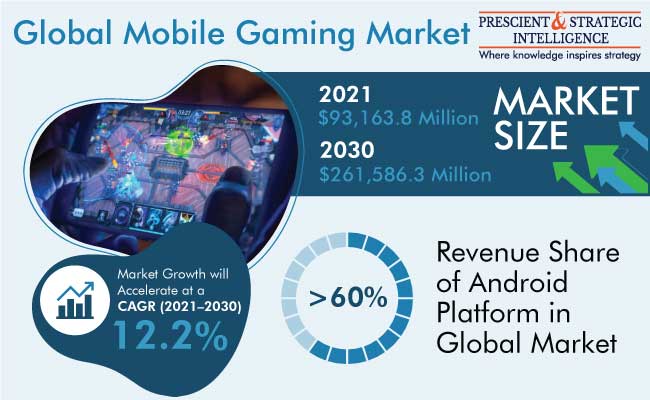
Ever wondered why your favorite console games haven't quite found their footing on mobile? The mobile gaming landscape is a beast of its own, and cracking it requires more than just a scaled-down port. Understanding its nuances is key to success.
Many developers struggle to adapt their core gaming experiences for mobile platforms. Issues arise from control schemes that don't translate well to touchscreens, monetization strategies that alienate players, and a general misunderstanding of the mobile gamer's mindset. Building a truly engaging core gaming experience on mobile often feels like navigating a minefield.
This blog post dives deep into the mobile gaming market, specifically focusing on how core gaming experiences can thrive. We'll explore the trends, challenges, and opportunities that exist, providing insights for developers and publishers looking to make a mark in this dynamic space. We'll examine everything from market analysis and player behavior to successful monetization models and innovative control schemes tailored for mobile core games. This is your guide to navigating the mobile gaming market for core gaming.
We've covered the crucial aspects of entering the mobile gaming market with core gaming experiences, including understanding player expectations, tailoring controls, adopting effective monetization, and analyzing market trends. By focusing on these key areas, developers can navigate the challenges and capitalize on the opportunities within this rapidly growing segment. From market analysis to monetization models to game design innovations, understanding the intricacies of this realm is your key to success.
Understanding the Core Mobile Gamer
My own experience with mobile gaming has been a roller coaster. As a console gamer first and foremost, I initially dismissed mobile games as simple time-wasters. Then, I stumbled upon a mobile RPG with surprisingly deep mechanics. It hooked me, not because it was a perfect recreation of a console experience, but because it understood the mobile context. I could play it in short bursts, the controls were intuitive, and the progression system was rewarding without feeling like a grind. This is the essence of what core mobile gamers are looking for. They want depth and engagement, but in a format that respects their time and mobile environment. Core mobile gamers aren't necessarily looking for direct ports of console titles. Instead, they're seeking experiences that offer similar levels of strategic depth, engaging storylines, and rewarding progression, but are designed from the ground up for mobile play. This means intuitive touch controls, shorter play sessions, and monetization models that feel fair and unobtrusive. Understanding this distinction is critical for developers aiming to capture this valuable audience. They are often more willing to spend money on games that offer true depth and lasting engagement. They also actively seek out communities and engage with games on a deeper level.
Analyzing the Mobile Gaming Market
Analyzing the mobile gaming market involves dissecting its various segments, identifying key trends, and understanding player behavior. It's not just about knowing which genres are popular; it's about understanding why they are popular and how they appeal to different segments of the mobile gaming audience. A thorough market analysis involves examining download numbers, revenue figures, player demographics, and engagement metrics. Furthermore, understanding the competitive landscape is crucial. This means identifying key competitors, analyzing their strengths and weaknesses, and understanding their market positioning. This insight helps developers identify opportunities for differentiation and carve out a niche for their own games. Beyond the numbers, qualitative data is also important. This involves reading player reviews, analyzing social media sentiment, and understanding the overall perception of different games and genres. This provides valuable insights into player preferences and pain points, which can inform game design decisions. Ultimately, effective mobile gaming market analysis provides a comprehensive understanding of the landscape, allowing developers to make informed decisions about game development, marketing, and monetization.
The History and Myth of Mobile Core Gaming
The history of core gaming on mobile is a story of gradual evolution, not a sudden revolution. Early mobile games were often simple and limited by technological constraints. However, as smartphones became more powerful and internet connectivity improved, the possibilities for more complex and engaging games expanded. The myth surrounding core gaming on mobile is that it's simply a downsized version of console gaming. While there's certainly some overlap, the reality is that successful core mobile games are often designed specifically for the platform, taking into account the unique constraints and opportunities of mobile play. Early attempts to port console games directly to mobile often failed, because the controls were clunky, the graphics were poor, and the gameplay didn't translate well to shorter play sessions. However, developers who embraced the mobile platform and designed games that were tailored to its unique characteristics began to find success. Games like "Clash of Clans" and "Puzzle & Dragons" demonstrated that core gaming experiences could thrive on mobile, as long as they were designed with the platform in mind. The evolution is ongoing with the advancement of cloud gaming services that allow mobile devices to access high-end graphics and complex gameplay previously limited to consoles and PCs.
Hidden Secrets of Mobile Core Gaming Success
The hidden secret to success in mobile core gaming is understanding the mobile player's psychology. Mobile gamers often play in short bursts, while commuting, during breaks, or while waiting in line. This means that mobile core games need to be designed to be easily accessible and rewarding in short play sessions. A key element is to implement effective feedback loops that provide players with a sense of accomplishment and progression, even in short periods of play. Another hidden secret is the importance of social integration. Mobile gamers are often highly connected and enjoy sharing their experiences with friends and other players. Incorporating social features such as leaderboards, challenges, and cooperative gameplay can significantly enhance engagement and retention. Also, the integration of the mobile platform's unique features, such as push notifications and location-based services, can create more immersive and personalized experiences. Moreover, constantly analyzing player behavior through data analytics is crucial for identifying areas for improvement and optimizing the game for maximum engagement. By focusing on player psychology, social integration, and data-driven optimization, developers can unlock the hidden secrets to success in mobile core gaming.
Recommendations for Mobile Core Gaming Developers
For developers looking to dive into the mobile core gaming market, my top recommendation is to deeply understand your target audience. Don't assume that core gamers on mobile are simply looking for scaled-down console experiences. Instead, research their preferences, play habits, and expectations. Tailor your game design, controls, and monetization strategies to meet their specific needs. Focus on creating engaging and rewarding gameplay loops that are accessible in short play sessions. Embrace the mobile platform's unique features, such as touch controls, push notifications, and social integration. Implement robust data analytics to track player behavior and identify areas for improvement. Don't be afraid to experiment with new genres and mechanics, but always prioritize player experience and engagement. Consider a "free-to-play" model with carefully balanced monetization mechanics. Avoid aggressive monetization tactics that can alienate players. The "free-to-play" model can work very well, especially for core games that can retain players through a balanced level of content. Consider incorporating features such as battle passes and cosmetic items to monetize your game in a player-friendly way.
Monetization Strategies for Core Mobile Games
Monetization in core mobile games requires a delicate balance between generating revenue and maintaining player engagement. Aggressive monetization tactics can quickly drive players away, while a lack of monetization can hinder the game's long-term sustainability. Consider a hybrid approach that combines multiple monetization strategies, such as in-app purchases, subscriptions, and advertising. Ensure that monetization is integrated seamlessly into the gameplay and doesn't feel forced or intrusive. Focus on selling value, not pay-to-win advantages. Offer cosmetic items, convenience features, and other non-essential items that enhance the player experience without disrupting the game's balance. Implement a robust data analytics system to track player spending habits and identify opportunities for optimization. Experiment with different monetization strategies and carefully monitor their impact on player engagement and retention. Communicate transparently with players about your monetization goals and listen to their feedback. By adopting a player-centric approach to monetization, you can create a sustainable revenue stream while maintaining a loyal and engaged player base.
Tips for Designing Core Mobile Game Controls
Designing intuitive and engaging controls for core mobile games is crucial for providing a satisfying player experience. Touchscreen controls can be challenging to master, so it's important to prioritize simplicity, responsiveness, and customization. Experiment with different control schemes, such as virtual joysticks, touch gestures, and tilt controls, to find the best fit for your game. Provide players with options to customize the control layout and sensitivity to their preferences. Implement clear visual feedback to indicate when actions are being performed. Consider using contextual controls that adapt to the player's actions and surroundings. Avoid cluttering the screen with too many controls, as this can make the game feel overwhelming. Test your controls extensively with real players to identify areas for improvement. By prioritizing user experience and providing players with flexible and customizable controls, you can create a core mobile game that feels intuitive and engaging.
Understanding Core Mobile Game Player Behavior
Understanding player behavior is critical for optimizing core mobile games for maximum engagement and retention. Track player activity through data analytics, including session length, frequency, and in-game actions. Use this data to identify pain points in the game, such as frustrating levels or confusing mechanics. Analyze player spending habits to understand which monetization strategies are most effective. Segment players based on their behavior and tailor the game experience to their individual needs. Pay attention to player feedback through reviews, social media, and in-game surveys. Use this feedback to identify areas for improvement and prioritize development efforts. Continuously iterate on the game based on player behavior data and feedback. By deeply understanding player behavior, you can create a core mobile game that is both engaging and rewarding, leading to increased player retention and revenue.
Fun Facts About the Mobile Gaming Market
Did you know that the mobile gaming market is larger than the console and PC gaming markets combined? This highlights the incredible reach and potential of mobile gaming. Also, the average mobile gamer spends more time playing games than watching TV. This shows the growing importance of mobile gaming in people's lives. The majority of mobile game revenue comes from a small percentage of players who are willing to spend money on in-app purchases. This emphasizes the importance of targeting core gamers who are more likely to invest in their gaming experience. China is the largest mobile gaming market in the world, followed by the United States. This highlights the importance of understanding regional differences in player preferences. Mobile gaming is constantly evolving, with new technologies and trends emerging all the time. This makes it an exciting and dynamic market to be a part of. From casual puzzles to complex RPGs, the diversity in mobile gaming is astonishing. The evolution of technology with smartphones has revolutionized the sector, attracting a broader audience and providing new avenues for developers.
How to Create a Successful Core Mobile Game
Creating a successful core mobile game requires a combination of creativity, technical expertise, and market understanding. Start by defining your target audience and understanding their preferences. Design a game that is both engaging and accessible, with intuitive controls and rewarding gameplay loops. Focus on creating a unique and compelling experience that sets your game apart from the competition. Implement robust data analytics to track player behavior and identify areas for improvement. Monetize your game responsibly, avoiding aggressive tactics that can alienate players. Market your game effectively through social media, online advertising, and app store optimization. Continuously iterate on your game based on player feedback and data analysis. By following these steps, you can increase your chances of creating a core mobile game that resonates with players and achieves long-term success. It is also crucial to understand the competitive landscape to design a game that stands out with unique features or gameplay mechanics.
What if Core Gaming Didn't Exist on Mobile?
Imagine a world where mobile gaming was limited to simple, casual games. What if there were no complex RPGs, strategic simulations, or competitive multiplayer experiences on your smartphone? The mobile gaming market would be significantly smaller and less diverse. Many core gamers would be forced to rely on consoles or PCs for their gaming fix. The lack of core games on mobile would stifle innovation and limit the potential of the platform. Developers would have fewer opportunities to create engaging and rewarding experiences for players. The mobile gaming community would be less vibrant and less engaged. The absence of core games on mobile would be a significant loss for both players and developers alike. The evolution of mobile gaming wouldn't have been as significant as it is today. Core games provide depth, challenge, and long-term engagement, all of which contribute to the overall appeal of the platform.
Top 5 Listicle: Core Mobile Games to Play Right Now
Here's a list of 5 of the best core mobile games to play right now, offering a compelling blend of strategy, storytelling, and engaging mechanics: 1. "Genshin Impact": An open-world action RPG with stunning visuals and deep combat mechanics.
2. "Call of Duty: Mobile": A fast-paced first-person shooter with console-quality graphics and gameplay.
3. "Legends of Runeterra": A strategic card game with deep deck-building and tactical gameplay.
4. "Albion Online": A cross-platform sandbox MMORPG with a player-driven economy.
5. "Old School Runescape": A nostalgic MMORPG with challenging gameplay and a thriving community. All games mentioned have successfully transitioned core gaming mechanics into the mobile platform, offering engaging experience to a wide range of mobile gamers. Games like "Genshin Impact" and "Call of Duty: Mobile" have pushed the boundaries of what's possible on mobile, delivering experiences that rival those found on consoles and PCs. Games like "Legends of Runeterra" and "Old School Runescape" have demonstrated that core gaming experiences can thrive on mobile, as long as they are designed with the platform in mind.
Question and Answer about Mobile Gaming Market: Industry Analysis for Core Gaming
Question 1: What are the biggest challenges for developers bringing core games to mobile?
Answer: The biggest challenges include adapting control schemes to touchscreens, balancing monetization with player enjoyment, and understanding the shorter play sessions of mobile gamers.
Question 2: What are some effective monetization strategies for core mobile games?
Answer: Effective strategies include balanced "free-to-play" models, cosmetic items, battle passes, and subscriptions that offer convenience or exclusive content without being pay-to-win.
Question 3: How important is data analytics in optimizing core mobile games?
Answer: Data analytics are crucial. They help developers understand player behavior, identify pain points, and optimize gameplay, monetization, and marketing strategies.
Question 4: What is the future of core gaming on mobile?
Answer: The future is bright! With advancements in technology, we can expect even more immersive and complex core gaming experiences on mobile, blurring the lines between mobile, console, and PC gaming.
Conclusion of Mobile Gaming Market: Industry Analysis for Core Gaming
The mobile gaming market presents significant opportunities for core gaming experiences. By understanding player preferences, adapting control schemes, implementing effective monetization strategies, and continuously analyzing market trends, developers can create successful and engaging core mobile games. The future of core gaming on mobile is bright, and those who embrace the challenges and opportunities will be well-positioned for success. Keep experimenting, keep learning, and most importantly, keep creating games that resonate with players.
Post a Comment